TECHNOLOGY INSPIRATION
Technology-People-Innovation

Latest Post

Gulmarg is a city in Kashmir and is noted for having one of the worlds highest Gondola (cable car).
Gulmarg is a town, a hill station, a popular skiing destination and a notified area committee in the Baramula district of the Indian state of Jammu and Kashmir. The town is situated in the Pirpanjal range in the western Himalayas.
Exotic flowers, timeless snow covered slopes and the mighty Himalayan range in the backdrop...Discover the charm of elegant Gulmarg.  ”

Getting here
International Travellers need to book flight to New Delhi first from New Delhi they can either Fly to Srinagar or take a Land Route.
By AIR / SRINAGAR       
from New Delhi, there are about 14 daily flights to Srinagar, with on flight time of 90 minutes.
By LAND / SRINAGAR
You can take a Train till Jammu and then on you have to take a Jeap or Bus till Srinagar.
Journey from Delhi to Srinagar takes 24 Hrs

Taxi from the Airport to Gulmarg (or) Srinagar to Gulmarg should be 2000 - 2400 Rs (May 2017), but if the roads are icy (Jan – Apr ), you will probably only be able to catch the taxi to Tangmarg, at which point you will need to hire a four wheel drive with chains for around 700 - 1400 Rs. This can end up costing more than it should. The journey takes around 2-2.5 hours or longer depending on the traffic due to icy weather conditions. For those travelling from Srinagar, shared taxis (Sumos) are available from Buttmal to Tangmarg for Rs. 200 per person. From there, you can catch onward shared sumo to Gulmarg for Rs. 100 - 150 (Feb 2017). The whole journey takes 2 to 3 hrs.


Be Aware:
Any cars having direct access upto Gulmarg from Srinagar; but not at the door step of the Gondola booking office. From Gulmarg taxi dropping point to Gondola booking office & Gondola starting point is just 500-700 meter away (20 minute by walk) but local pony operator will misguide you by directing it as a 3-4 km. away towards different direction. So, to reach there, they will insist you to hire a pony at J&K government's fixed rates of Rs. 1000/- (To & Fro) (Actually these rate are also much over-priced or may be unauthentic).


It is strongly advisable, to head straight to reach to Gondola office without indulge into negotiation with these pony hawkers. There are many incidents of intense quarrel/fight with tourist once you deny to obey after negotiation.

If you are accompanying aged person & really need to have pony, you can hire them for max. Rs.300/- (Total for To & Fro).
Site Seeing:
Gulmarg has some of most amazing treks in world (accessible in the summer). Skiing season starts from December till Early April. Snow Conditions are fantastic and you can get deep powder in Gulmarg ski resort every winter. The main attraction in Gulmarg is the Gondola. Finished in 2004, it runs up to 3995 meters, and is the highest "ski lift" in the world.

A sight seeing trip is mainly get access through Gondola (Rope-way) ride in two phases. Phase-I Gulmarg to Kungdoor (near Khilanmarg) & Phase-II Kungdoor to Aparwath. As of May 2015, Gondola ticket cost are Rs. 700 & 700 respectively for above 3 year kids to adults including return trip. They are very long queue at Gondola offline ticket counter at Gulmarg. Moreover they are many, touts who can get out of the queue tickets through unofficial way and cost so it is always recommended to book in advance from online here.
PHASE – I
Ticket
Adult
Child (3 to 10 Years)
Child Below ( 3 Years)
Gulmarg to Kungdoor
700
700
Free
PHASE – II
Ticket
Adult
Child (3 to 10 Years)
Child Below ( 3 Years)
Kungdoor to Aparwath
900
900
Free
Chair Lift
Ticket
Adult
Child (3 to 10 Years)
Child Below ( 3 Years)
Kungdori to Marry Shoulder
250
Not Allowed
Not Allowed

If you are travelling during May-Oct, there will not find snow at Phase-I so, It is recommended to book gondola for Phase-II only.

SKI PASSES
Domestic (Indian)
Phase I
Phase II
Chair Lift
Phase I + II
All three Lifts
One Time
350
450
250


One Day
700
1150
Enquire


Weekly
3000
6800
Enquire


Season


35000
Season VIP


Enquire
FOREIGN NATIONALS
Phase I
Phase II
Chair Lift
Phase I + II
All three Lifts
One Time
350
450
250


One Day
1150
1800
Enquire


Weekly
Enquire
9050
Enquire


Season


35000
Season VIP


Enquire
Guide Passes


Phase - I
15 Days Guide Pass
Monthly Guide Pass

1
1350
Enquire

Phase – 2
15 Days Guide Pass
Monthly Guide Pass

1
2850
Enquire

A "skiing/snowboarding" trip costs 350Rs for a single ride on Phase I or 700Rs for a Phase I day pass, 450Rs for a single ride on Phase II (when its open) and 250Rs for single ride on the Chair lift from midstation to Marry's Shoulder . You pay for Phase I at the bottom of the Gondola and Phase II at the Kangdoori midstation when you have reached the top of Phase I, and you pay for the Chairlift at the booth at the bottom of the chair lift (walk out of the opposite side of the gondola midstation to get to the chairlift). Stage two is at a much higher elevation, right on the mountain top and is clearly visible from the Gulmarg taxi stand. The views are breathtaking, which isn't surprising given how little oxygen is at 4000m! The mountains visible from the top are said to be LOC and Pakistan administered Kashmir (specifically Nanga Parbat and (supposedly) the very tip of K2). You can do Mountain Biking from June till September and enjoy some of the best downhill Mountain biking in world.


Do:
The main activity for a tourist in Gulmarg is skiing and snowboarding. The skiing season starts on the 25th of December and runs through to March. The snow is generally deep and powdery! Theres a huge number of opportunities for skiing from each of the gondola stations and the chairlift on predominantly ungroomed powder runs. Gulmarg is comparable to the higher areas of Whistler/Blackcomb.

There are two areas for skiing: the high mountain/off piste areas served by the gondola; and a beginner's area near the hotels sited on the hills of the Gulmarg golf course.
The beginners area is open from 10-1, then closes for lunch until 2:30. Lifts reopen 2:30-4.
High mountain area: With its gondola accessible ski area on Mt. Apharwat, 4'124m it offers many possibilities for descents of up to 1'800 vertical meters. The Phase I Gondola is open from approximately 8:30 to 3:30 daily. The Chairlift is open from around 9.30am to 3pm depending on avalanche risk. The Phase II Gondola opens later in the day after the main bowl has been made avalanche safe by blasting. However, Phase II is highly dependent on snow conditions and is often closed for the whole day. Avalanche risk and gondola opening is posted on Facebook here
Sound skiing skills and good health are prerequisites to enjoy ski vacations in Gulmarg. Note that only the main bowl to the skier's left of the gondola is avalanche-blasted and patrolled - all other areas are considered out-of-bounds.It is very easy to exit the ski area boundary into the wild terrain where no avalanche control has been done by the ski patrol. A non-profit avalanche center puts out a daily bulletin and teaches avalanche courses. Some are free, like the avalanche awareness talk which is really helpful.

Heli-skiing is available, which opens up far more off-piste opportunities than the one-lift resort that Gulmarg otherwise offers . But its very expensive and weather dependent (around 800USD for half day and 1300 dollars for a full day per person, Feb 2017). The heliski operators are Australian and qualified. They also offer equipment rental including skis, boards, boots and avalanche survival kits (beacon, shovel, probe).
The weather can be cold and it is necessary for tourists to wear warm clothes. Golfing, Sledging, and horse riding are other activities (best enjoyed in the summer). Major Tourist Attractions of Gulmarg are Alpather Lake, Baba Reshi Shrine , Gondola, Cable Car to Kongdor, Gulmarg Gold Golf Course, Khilanmarg, Maharani Temple, Skiing ,St Marys church,
A number of informal checkpoints exist along the road to Gulmarg, which appear to be staffed by armed volunteers. Tipping may be necessary to pass any given checkpoint.
Eat:
All hotels can arrange food, even if their kitchens are closed.
Meals in the small local Dhabas around Gulmarg are around 200-250Rs per person depending on appetite. Dishes are very tasty!
'There', a new pop-up bar situated in the basement of Alpine Ridge hotel. Serves delicious western-style comfort food in a cool, après-ski atmosphere with good indie music and great Australian hosts.
The Dhaba around the main market in the village are all similar and cheap. Mamas Dhaba is a good choice if you can't make up your mind, but be careful that they don't give you dishes you didn't order, they will make you pay for them.
Bakshi's Green Punjabi Dhaba (Vegetarian). Best food and friendliest folks in Gulmarg.
Big Bite at Hotel Hilltop is a good choice for reliable western style fast food. Service is quick and generally food is decent. Pizzas are a good bet.
Global Hotel/Restaurant, excellent eating if you're after some western food, 200mtrs in the direction of the Gondola from the Bus Station.
Theres a group of Dhabas near the Gondola Midstation and Kangdoori. Sofi Sunshine is a good choice. They even have beer.
Drink:
There is no real Apres Ski scene in Gulmarg. But one of the charms of the place is its contrast to the flashy d-bag filled resorts of the west. It’s peaceful and tranquil at night and you'll get a good night’s sleep and be up at dawn ready for more powder!
If you want to find a nice place to hang out and meet the locals, any of the Dhabas in town are good choices. There you'll find locals sitting around the Bukhari drinking tea and eager to talk to somebody new. No trip to Kashmir is complete without sampling the two kinds of Kashmiri tea. One has bicarbonate of soda and salt and is said to aid digestion. The other is green tea infused with cardamoms, saffron and cinnamon, with not a small helping of sugar!
If you want to find a place to hang out with ski bums from around the world, then Hotel New Mount View always has a range of characters in it.
You are highly recommended to bring alcohol with you (buy in Srinagar or duty free) if you want to drink as even if you can find alcohol in Gulmarg it’s going to be expensive!
That being said, alcohol is available legally from the 'Highland Park Hotel' (carry on down the road past the gondola and you will eventually reach it on your right) and not-so-legally from 'other vendors' (ask the locals for hints!)
Kingfisher beer is also available on the mountain from the Dhabas near midstation (Kangdoor) when you want to congratulate yourself after shredding Phase II. Sofi sunshine is a good choice. Around 300Rs per can .
Although drink is not available in Gulmarg, hashish is everywhere and seems tolerated. Locals and ski bums alike smoke openly in Gulmarg and on the mountain. Wonder around the market or bus stand and you'll be approached...

Stay Safe:
Temperatures in Gulmarg remain well below zero for major part of the year. Keep your body well covered with gloves, boots, overcoats to keep warm. On the way to Gulmarg, there are small shops where you can rent heavy woolens and boots. Be careful as the guys renting them are very annoying. Snow Boots are not really required unless you are walking on the mountain instead of skiing. A stong pair of hiking boots will suffice for the rest of the town.
If you want to ski or ride the backcountry then a knowledgable guide with proper avalanche training is essential. Contact the part western owned Di5 adventures  for more information or enquire at Mount View Hostel [8]. Despite the thousand annoying guys trying to sell their services as guides, in the main bowl of the mountain, guides are not necessary as long as you are a competent skiier/snowboarder and are skiing in a group. Have fun exploring the many possible runs you can find, they will all pop out near the gondola station anyway.
Skiers and snowboarders who plan to ride Phase II or in the backcountry should expect significant avalanche danger and plan accordingly. It is advisable to carry an avalanche beacon and be aware of the dangers. A non-profit avalanche information center provides daily advisories from avalanche experts. The advisory is posted at the common access points of the gondola here.
Crime (apart from some light scamming and overcharging) is very low in Gulmarg and the locals are generally respectful and friendly even to lone foreign female travellers. But it can get very dark at night even along the main road in the village, so be sensible.
Getting Back:
There is generally no need to leave Gulmarg in the night before for flights the next day. The road to Tangmarg is plowed but if there is a big storm, then it may take several hours to clear the snow so check the weather carefully.

Prices are similar to getting in to Gulmarg and transfers can be arranged by hotels.
Even if the weather is good, plan DOUBLE the time to get back to the airport as it took to get to Gulmarg (5+ hours). This is because firstly, various things can go wrong on the way back to Srinagar - the small road to Tangmarg can have an accident on it or the main road to Srinagar may have traffic jams, especially if there is fog. Secondly, there is a frankly ridiculous amount of security at Srinagar airport with multiple checkpoints, even on the road before you get to the airport and then when getting into the airport, and then security check after security check in the airport itself. It takes forever! Also, flights have been known to leave early....

Gulmarg Golf Course Overview
Gulmarg Golf Course with asymmetrical contours is counted amongst the largest 18-hole golf courses in the country. Situated on the lower ranges of Gulmarg, it has emerged as one of the most popular golfing destinations in India. A number of tourists flock this region to enjoy a game of golf and escape the summer heat. Golfing in the region began in the early 1920s, when British came here to spend their summers. Over the years, this golf course has witnessed a lot of changes, and the present structure has been designed by Ranjit Nanda, a well-known golf course designer. The golf course, measuring 7505 yards (par of 72), was inaugurated by the Chief Minister of Jammu and Kashmir, Omar Abdullah in the year 2011.

Alpather Lake Overview
A picturesque water body at the foot of the twin Apharwat Peaks, Alpather Lake is a stunning natural attraction. Embraced by rocky mountains and endless meadows that are covered with wildflowers, this lake is doubtlessly, every nature photographer's delight. Owing to the breathtaking topography, the lakeside has become a favourite picnic spot for the locals as well as tourists. During winters, the lake remains frozen, and the surrounding fields get laden with snow. Approximately 13 km from Gulmarg, this enchanting location is truly a wonderful place to get lost in.

From Gulmarg, you can reach the lake on a horseback through a well-graded track. The horse ride through snowy trails is in itself alluring enough to make you come again and re-visit.
Photo Opp
When the destination is a frozen lake flanked by towering snow-covered mountains, can you stop yourself from clicking photographs? The shimmering waters of the lake with meadows and mountains on the backdrop are no doubt, flawless natural settings that is hard to find elsewhere. So, make sure you don't forget to carry your camera!

Apharwat Peak Overview
Apharwat Peak is one of the beautiful summits, situated at a height of nearly 4200 m above the sea level. It receives heavy snowfall and remains covered with snow for most parts of the year. The snow-covered slopes are ideal for indulging in skiing. The Line of Control (LOC) is barely a few kilometres away from here. Lying in the second phase of the cable car ride from Gulmarg, reaching this spot is highly dependent on the weather condition.
The Maharani Temple Overview
The royal temple of the erstwhile Dogra kings of Jammu & Kashmir, this shrine is dedicated to Lord Shiva. A unique feature of this historic temple is that it can be seen from any part of Gulmarg.

Shrine of Baba Reshi Overview
Built in the 13th century, people from all walks of life visit the shrine to seek blessings. It is accessible by a motorable road from Gulmarg. Built in 1480, the shrine is dedicated to the Muslim scholar and saint, Baba Reshi who spent his days in meditation and prayer here. It’s also an architectural beauty. What makes an immediate impression is the old Kashmiri architecture of the shrine – lattice work windows, intricately carved deodar pillars and exquisite craftsmanship.

Strawberry Valley Overview
During summers, taste the freshest strawberry Gulmarg has to offer at Strawberry Valley. A walk to this unexplored part of Gulmarg is a delight in itself as you sample fresh strawberries. Don’t forget to pack some for later.
Movie Connect
A favourite destination of yesteryear Bollywood movies, many important scenes of the Shashi Kapoor and Amitabh Bachchan starrer Namak Halal were shot around this idyllic hill station.

St. Mary’s Church Overview
Boasting of fine Victorian style of architecture, St. Mary's Church is one of the star attractions of Gulmarg. The verdant meadows, lofty alpine trees and towering mountains that are covered with thick snow during winters in the surroundings greatly enhance the beauty of this church. Some old hotels and huts can be seen in the vicinity.

Visiting this church, which was built more than 100 years ago, in the beginning of the 20th century, is like stepping back in time. More like a tiny countryside chapel in appearance, this church features grey stone walls and a steep green roof having wooden trimmings. The church has been renovated in 2003 and in the same year, after a period of 14 years, a Christmas mass was held.
Opening Closing Time
10:00 am to 05:00 pm
Photo Opp
To click pictures, what can be a better setting than a wild landscape with nothing but undulating stretches of forests, an ancient church and few old hotels and huts? The rustic scenery and the church form awesome backdrops for amazing photographs.
Entrance Fee
Free Entry


THE TULIP FESTIVAL OF KASHMIR VALLEY, SRINAGAR

tulip


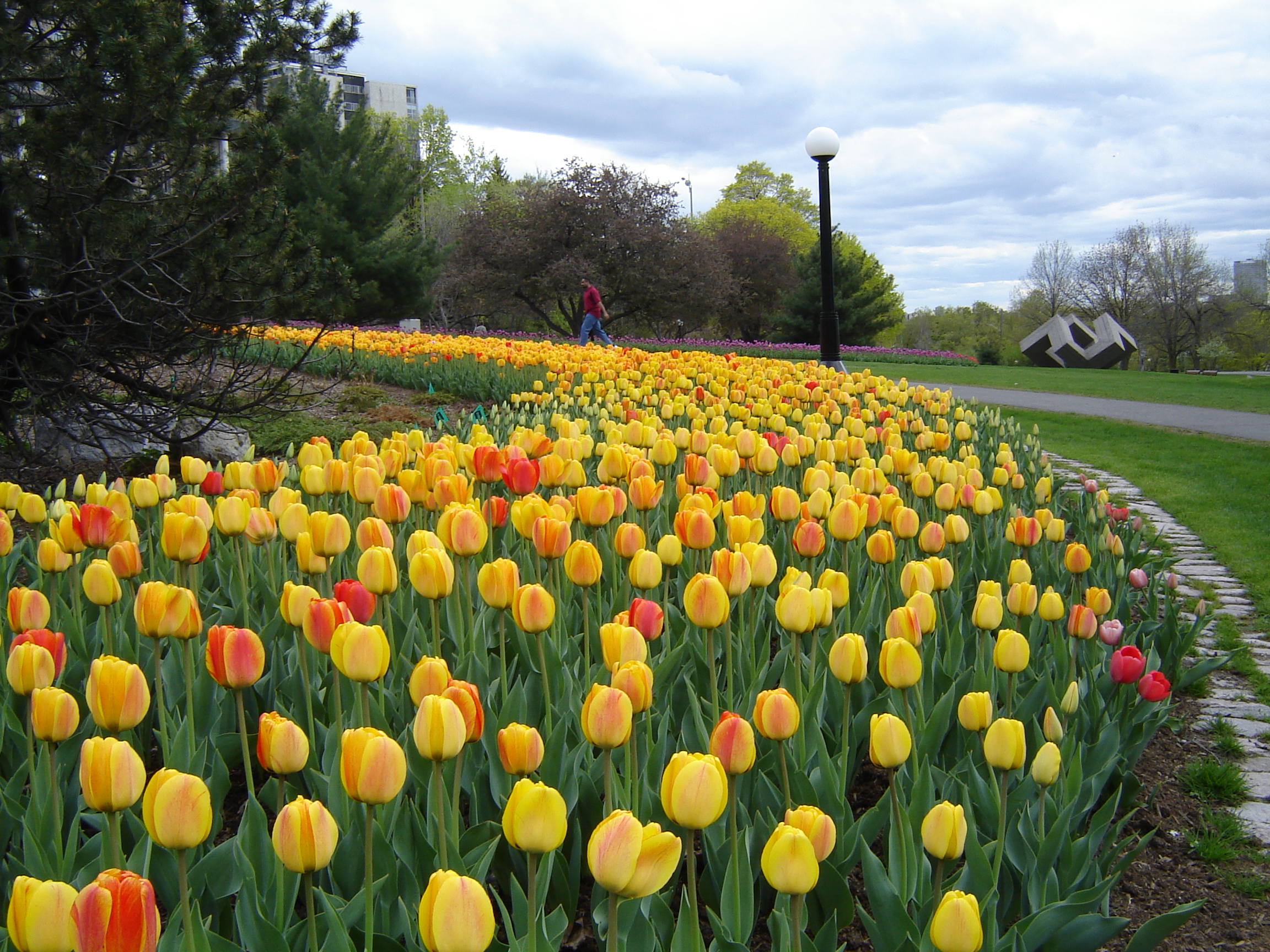
Tulip festivals are held in many regions of the world, but for Asia, the festival in Srinagar, Kashmir, stands out. The Indira Gandhi Memorial Tulip Garden, named after the former Prime Minister and more commonly known as Siraj Bagh, is the largest in Asia. 


The 12 hectare garden is located on the bottom of the Zabarwan Range in the state capital, commanding a view of the Dal Lake. It hosts the popular Tulip Festival each year, which is am unforgettable event.
tulip
Millions of bulbs of more than 60 varieties can be seen at the gardens. Thousands of tourists from Asia visit Kashmir during the tulip season and enjoy these flowers in full bloom, a unique sight. 


The experience is heightened with the nearby snow-peaked mountains and the Dal Lake.
tulip
Sightseeing in Srinagar
tulip
Apart from strolling in the garden among the different tulips, you can indulge in other activities, and visit the nearby famous places of Srinagar. You can take boat rides, known as shikaras, on the famous Dal Lake, go swimming or even travel on a houseboat. The lake offers the best views of the Kashmir Valley. You can also visit the Mughal gardens on the banks of the lake, next to the Siraj Bagh.
tulip
One of them, Pari Mahal (Fairy Palace), was built by son of Shaj Jahan, Dara Shikoh for his tutor. It also served as an observatory for astronomy and astrology, and is now a paramilitary camp. In contrast to Pari Mahal, there’s the renowned Shalimar Bagh, built by Emperor Jahangir. It was the summer abode of the emperor and his wife Nur Jahan as they loved Kashmir. The garden has elaborate architecture and many ponds and fountains. The Bagh is now a public park.
tulip
The Dachigam National Park in the Zabarwan range is known for possessing Asia’s largest number of black bears, and for being the sole habitat of the Kashmir stag, along with many other animals.

The Kashmir Valley

tulip
Other than Srinagar, there are many more popular places that people visit when they come for the Tulip Festival. There’s Pahalgam, famous for its numerous pilgrimage sites and breathtaking valleys. The valleys are regular spots for trekking and hiking.
tulip
Gulmarg is a stunning mountain resort, renowned for the highest golf course in India. It also has an exceptional ski resort which is why it was named “heartland of winter sports in India” by CNN. You can go snowboarding, tobogganing, heli skiing, and normal skiing. Extreme snow sports enthusiasts flock to Gulmarg every year.
tulip
If you wish to go river rafting and indulge in other water sports, then head to Sonamarg. It’s another popular hill station and is known as the “Meadow of Gold”. For mountaineers, Kashmir has many peaks that are frequent trekking and climbing spots.

 Dates for the Tulip Festival 

tulip
The festival also has exhibitions of the Kashmiri handloom and crafts. There’s delicious Kashmiri cuisine you can gorge on as you watch folk dancers and musicians perform. The festival is an opportunity to learn about the culture of Kashmir.

The festival is held every year in the month of April, usually in the first two weeks. The flowers are planted in autumn, and only bloom for 15 days, and the exact dates of the festival depend on when they bloom. So make sure to confirm the dates in February/March before visiting.


The place is just 42kms away from Srinagar, it's a beautiful place with carpet like meadows and A flowing river resounds with soft wind passing through the pine trees of the enclosures of the valley. It is also called as a VALLEY OF MILK because it produces rich milk in a large quantity It is said that the cattle grazing in the meadows of Doodpathri, produces rich milk in large quantity , this reason it is called the valley of milk Doodhpathri.


The shepherds from different areas travel to this place along with their cattles and stay there for days together. This area also connected to Gurez valley on its north. The place Doodhpathri has not been fully explored or one can say that not many tourists come there because of the terrible road which goes from Khan Sahab to Doodhpathri.


A local newspaper had published a photograph of Doodhpathri which showed the merciless chopping of trees and the bad condition of the road. One of the officials reacting just after seeing the photograph in the newspaper wrote back to the newspaper the heading of the reply that was published just the day after the photograph was published was "Felling trees at Dodhpathri and the clarification thereof".

Doodh Patri Kashmir

The official had written that the road construction from Khansaheb Reyar Doodpathri has been undertaken under CRT (Central Road Funding) project and an amount of Rs. 1.20 crores as compensation was given to the Forest dept. by the R&B Department, and also it was felt that some trees were to be chopped down in order to complete the road widening.


One understands that the trees which would come in the way of road widening were to be chopped down but what about the trees which are far away from the road, why are they chopped down? If the compensation has been given to the Forest Department why are they not replanting the trees or are they waiting for some natural disaster to wake them up? Are the concerned authorities making a check over the smuggling which is happening even in broad daylight? What for are they (the concerned authorities)? Have they forgotten the responsibility that they have on their shoulders ? All these question have to be answered someday or the other.


The Goddess Mata Ragnya Devi is symbolised as a sacred spring at Tula Mula village, near (27 kms) Srinagar, Kashmir in J&K India. The spring of Kheer Bhawani is quite large and has always been held in veneration by the Brahman population of Srinagar.
The Temple, dedicated to the Goddess Mata Kheer Bhawani (originally Bhawani Mata), has been constructed over a Sacred Spring. Within the spring is a marble Temple. The Temple-Spring complex is affectionately known as Kheer Bhawani as thousands of devotees offer milk and 'kheer' to the Sacred Spring.
Mela Kheer Bhawani - An Annual Festival: The devotees of the Goddess Mata Kheer Bhawani fast and gather here on the eighth day of the full moon in the month of May/ June when, according to belief, the Goddess changes the colour of the spring's waters, which are ascribed to different manifestations of the Goddess Mata Kheer Bhawani. Turning of the colour into shades of black is supposed to signal approaching disaster.

PREAMBLE
Mata Kheer Bhawani Peeth at Jammu is managed by "Ardh Ratri Maha Ragheneya Sewa Sanstha Trust"

Ardh Ratri Shri Maha Ragheneya Sewa Sanstha is a body which has been in active service of the Kashmiri Pandits in Kashmir for the last sixty years. It is a non-political body and shall remain as such in future also. It was initially headed by Swami Shri Chuni Lal Jee Maharaj an enlightened soul.

 The historic temple of KSHEER BHAWANI at Tullamulla village was built by Maharaja Partap Singh in the year 1912. Later Maharaja Hari Singh renovated it. Surrounded by streams, the place abound in Chinar trees in and around the temple complex within which is a Hexagonal Spring wherein Diety of Goddess Regheneya is decorated and housed in a small white marble temple.

The legend goes that Ravana worshipped Mother Regheneya as Goddess Shyama, who showered Her blessings on his Kingdom. The Goddess thus resided in SHRI LANKA. Later due to Ravans misdeeds, the Goddess cursed him and ordered Hanuman Ji to take her to SATISAR (KASHMIR) the place cut off from the outside by snow clad mountains. The Mother on her vehicle along with 300 Naags was installed at Shadipura. The Mother preferred milk, sugar and all vegetarian forms of offerings.


A Kashmiri Pandit Shri Krishen Joo by name saw a vision in which he was informed by an Angel that he should engage a boat to Shadipura and from there a Serpent would guide him to the pious Spring. He did as he was directed and led by a Serpent reached the Spring where the snake disappeared. It is said that from the Spring, he found a Shloka (verse) describing the Goddess.
The main Spring of Goddess Shri KSHEER BHAWANI JI is an irregular septagonal shape with Apex called PAAD (feet) to the east and the opposite side called SHAER (head). It has an island in the centre where mulberry tree grew. The Idols (murties) which are housed in the temple have been taken out from this very Spring. The water of the Spring changes its colour from time to time. The colours are usually found to be red, light green, lemon yellow, milky white, grey etc.. There is no definite time for its change of colour. A shade of black colour is supposed to be inauspicious. There are bubbles arising out of the water of the spring and forming different shapes and chakras (mystic symbols). The devotees are not supposed to take any non-vegetarian foods before visiting the Holy Shrine.
The Holy Spring was discovered on Ashad Saptami (seventh day of bright fortnight in the month of Ashad), the day on which the sun occupies its highest position in the heavens.

 Ardh Ratri Shri Maha Ragheneya Sewa Sanstha is a body which has been in active service of the Kashmiri Pandits in Kashmir for the last sixty years. It is a non-political body and shall remain as such in future also. It was initially headed by Swami Shri Chuni Lal Jee Maharaj an enlightened soul. After his Samadhi, it was guided by Swami Niranjan Nath Safaya Maharaj who latter, on Phalgun Ashtami, 87 declared in the mid-night of Ashtami-Navmi during Pooja in the open hall of Shri Ksheer Bhawani Shrine, Tullamulla that Shri A. D. Veshin who was a member of the Sanstha would guide the Sanstha henceforth. As was destined, Swami Niranjan Nath Safaya expired within one month after his declaration and Shri A. D. Veshin took the reins of the Sanstha as Pradhan till the year 2009. It was, therefore, evident that “Pradhan” the leading light of the Sanstha, was nominated by the last declaration of the outgoing Pradhan and not by any selection or election upto the year 2009. In the year 2009, for smooth functioning of the Sanstha and the Trust, the Constitution of the Sanstha was amended.

 This Sanstha used to serve a hot cup of tea (Kehwa) to devotees of Mata Ragheneya Bhagwati after they had a dip in the pious, ice cold water of the rivurlet encircling the Shrine Complex at Tullamulla. Members of the Sanstha used to sit for prayers in the open hall of the Shrine in front of the pious “Amrit Kund” on Ashtami-Navmi nights. Every year one “Varshik Hawan” and one “Sampath” was celebrated by the Sanstha in which thousands of devotees used to participate and take blessings of the"Mother”.

After unfortunate migration of the community from the Valley, some of the members who stayed at Jammu and were in constant touch with each other, felt a need and desire to revive the Pooja of Ashtami-Navmi nights. Shri Prithvi Nath Ji Raina father of Shri P. L. Raina an active member of the Sanstha who had constructed his house at Gangyal, willingly offered the place for Pooja and Hawan. This continued for 3 years after which it was felt by the members to have its own Pooja Sathal in Jammu. After much striving, a place in Bhawani Nagar, Janipora was selected for this purpose. Though the site was a mountainous terrain but some spiritually elevated souls had a vision of the presence of the Divine Force at this site which was later on substantiated by many a devotees also who had a vision of the Mother’s presence at this site in their dreams. The site was acquired from the landlord after negotiations and payment of Rs. 40,000/- as cost of the land. The Sanstha had only Rs. 14,000/- in hand which it had got transferred from Kashmir Bank Account, rest of money required for purchasing the land was made available by the members of the Sanstha by contributions/loans.


After purchase of the land the members of the Sanstha raised funds by contributions, donations and loans for construction and erection of the Peeth on the same pattern as at Tullamulla, Kashmir. “Bhoomi-Puja” was performed on 20th February, 1993 by his holiness Rughnath Kokiloo Jee and since then the construction work is going on. The Sanstha is registered as a Trust under the name and title “Ardh Ratri Maha Ragheneya Sewa Sanstha Trust”.

OBJECTIVES AND FUNCTIONS
The objectiives for which this trust has been set up are :

·         To strive for making the Asthapan of Mata Khir Bhawani a “Sidhpeeth”, a spiritually charged peeth for the devotees of Mata Khir Bahwani at Jammu like the one we have at Tullamulla, Kashmir.
·         To create spiritual awakening among the devotees of Mata Khir Bhawani and cultivate liking for, and to promote interest in the philosophy of Sanatan Dharma.

Functions of Sanastha :

1.     To generate spiritual awakening by conducting regular Poojas, Hawans, Satsangs, Sampats and religious discourses of spiritually emancipated souls.
2.    To maintain an upto-date library books on works of Hindu religion, philosophy, culture and spiritual subjects.
3.    To print, publish and distribute books, booklets, pamphlets and magazines on Hindu philosophy and on allied subjects.
4.    To nominate delegates, advisors to represent the Sanastha in councils, commissions, boards and committees for upliftment of Hindu religion.
5.    To keep in touch with sister religious concerns.
6.    To borrow or raise funds required for the development of the holy shrine.
7.    To accept donations, subsidies, grants and other help from centre or state government or any other local person or public without any condition.
8.    To open bank accounts and to draw, make, accept, endorse cheques and promissory notes for and on behalf of and in the name of the Sanastha.
9.    To undertake and conduct philanthropic activities such as helping widows, orphans, destitutes, sicks, infirms, poor, needy and deserving people by creating a separate fund for this purpose.
10. To open any institute on the name of Shri Maha Regeneya under the management of Ardh Ratri Shri Maha Regeneya Sewa Sanastha Trust. Institutes such as ladies institute for dress making, higher secondary schools, health centres, polyclinics, hospitals, engineering and medical colleges etc.


POOJAS, HAWANS & FESTIVALS
1.     The Sanastha shall manage daily morning and evening Poojas and provide the required Pooja Samgri for this purpose.
2.    The Sanastha shall make all necessary arrangements for enabling devotees of Mata Khir Bhawani to offer their Pooja at the Amrit Kund on all Suklapaksh Ashtamis.
3.    The Sanastha shall arrange to perform Namavali of Maha-Regeneya in early hours of each Ashtami and provide the materials required for it.
4.    The Sanastha shall arrange the traditional Pooja to be performed during the night of Ashtami-Novmi and make necessary arrangement for stay of the devotees for the Pooja during night.
5.    The Sanastha shall arrange Pooja to be performed during night of second Saturday after Ashtami for Mata Shri Bhawnishori.
6.    The Sanastha shall manage traditional Poojas on all the days of Navratras and make suitable arrangements for Jal-Pravah of the Nav-Durga Bhagwati.
7.    The Sanastha shall manage the Poojas on all the days of Ram-Navmi Pooja days and make suitable arrangements for Jal-Pravah of the Nav-Durga Bhagwati on the final day.
8.    The Sanastha shall make arrangement for performing a Hawan on Vyeth-Truvah (Bhadoon Shuklapaksh Triyodashi) and serve a meal as Naveed to the devotees who participate in the Hawan but invitations for participation shall not be extended formally to anyone except by notifying in the Annual Programme (Calender etc.).
9.    The Sanastha shall make arrangements for and perform annual Hawan on Ashad Shuklapaksh Ashtami. The announcement of the Hawan shall be made by the Management through Press and other available media. All devotees of the Mother shall be invited to participate and have Naveed (meals) at the conclusion of the Hawan. Elaborate arrangements shall be made by the Sanastha for convenience of the devotees as far as possible. Invitations to sister organizations and VIP’s as shall be decided by the Managing Committee from time to time shall be extended in writing. The Naveed shall comprise of a simple rice meal with Daal and one Vegetable (Potato) unless decided otherwise by the Managing Committee. Decision of the Managing Committee in this regard shall be final.
10. In order to make the celebrations of Jeshth Ashtami popularly known as “Mela Khir Bhawani and Ashadh Ashtami the Annual Hawan at the Peeth a success, the Pradhan shall call and hold meetings of the Managing Committee of the Sanastha first at least one month before the festival wherein arrangements shall be proposed/finalized. Necessary sub-committees for specific works shall be framed and announced. The sub-committees thus formed shall remain responsible for their allotted work. Each Sewak, Sahayak, Sadasya involved in the management of the festivals shall be informed by easiest direct or indirect means about his assignment and responsibilities at least fifteen days before the function. Final meeting of all the involved members shall be called and held by the Pradhan at least three days before the function and situation about preparations reviewed and suitable action wherever required taken.
11.  No outsider agency other than Govt. Public Utility Deptts. like Municipality, Public Health Engg., Health Services, Law & Order Agency (Security) shall be allowed to render any voluntary/organized/individual service within the premises. All rights with regard to managing affairs, providing services and holding of Samuhik (organized) Pooja within the premises of the Peeth rest with the Sanastha only.
12. All Samohik Pujas/Artis shall be lead by a Sewak only nominated by the Pradhan and in all Hawans performed on behalf of the Sanastha. Aahoti shall be offered by a Sewak of the Sanastha only under all circumstances, even if the entire Hawan is performed on costs contributed by general public or any individual.
13. The Sanastha shall make arrangements for and bear the cost of any   Pooja/Hawan/Sampat which shall be suggested by a 2/3 verdict of the Managing Committee and approved by the Pradhan.

CODE OF CONDUCT INSIDE THE SHRINE PREMISES
1.     The Shrine is open to all castes of people for meditation provided the meditator abides by rules and regulations of the Sanastha. Management of the Sanastha reserves the right to deal with violator of the code of conduct in suitable way including fishing him out of the premises and/or handing him over to the law enforcing agencies.
2.    Meat, Eggs, Fish, Tomato, Onion or any kind of non-vegetarian eatables can neither be cooked nor consumed within the Shrine Complex.
3.    No toxic drinks hot or cold, drugs can be used within the premises.
4.    Devi-Angan is purely meant for Puja and Meditation and nothing can either be cooked or consumed (eaten) in Devi-Angan.
5.    The Shrine complex shall be open for following functions of the public to be celebrated within the Hindu Codes :
1.     Hawan.
2.    Kirtan.
3.    Mundan.
4.    Yagneopavit.
5.    Sampath.
6.    Get-together with regard to marriages.

For all the above functions, the party shall have to apply for booking in advance and pay a refundable Security Deposit. Facilities whatever available shall be extended to the party and decision of the Sewak Incharge shall be final. No party can book it when it is to be used by the Sanastha itself on important festivals.


Contact Form

Name

Email *

Message *

Powered by Blogger.
Javascript DisablePlease Enable Javascript To See All Widget